Balfron’s Biodiversity: Please Record Our Wildlife
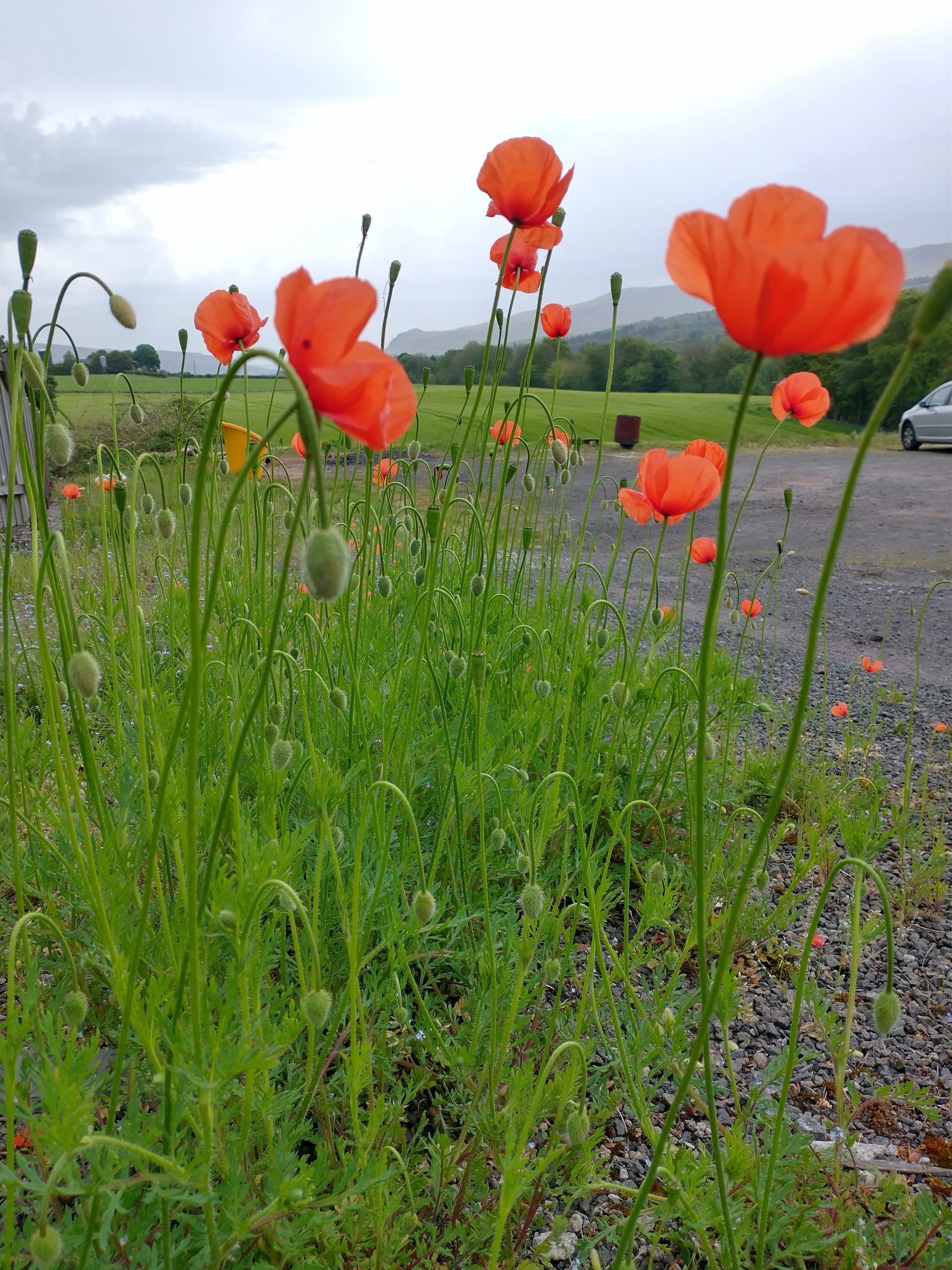
We share the village of Balfron with a rich variety of plants and animals. To help protect and conserve our biodiversity we are encouraging residents and visitors of all ages to become citizen scientists and record the wildlife you see or hear in gardens, parks and surrounding areas. To do this there is an easy-to-use App called iNaturalist that can be downloaded for free onto your phone here.
You can easily view the latest up-to-date iNaturalist observations in Balfron here.
Recording can be great fun and you will learn so much about the wildlife of the village and perhaps get to know other iNaturalists too. This will also provide data that can be used in the future to conserve Balfron’s biodiversity.
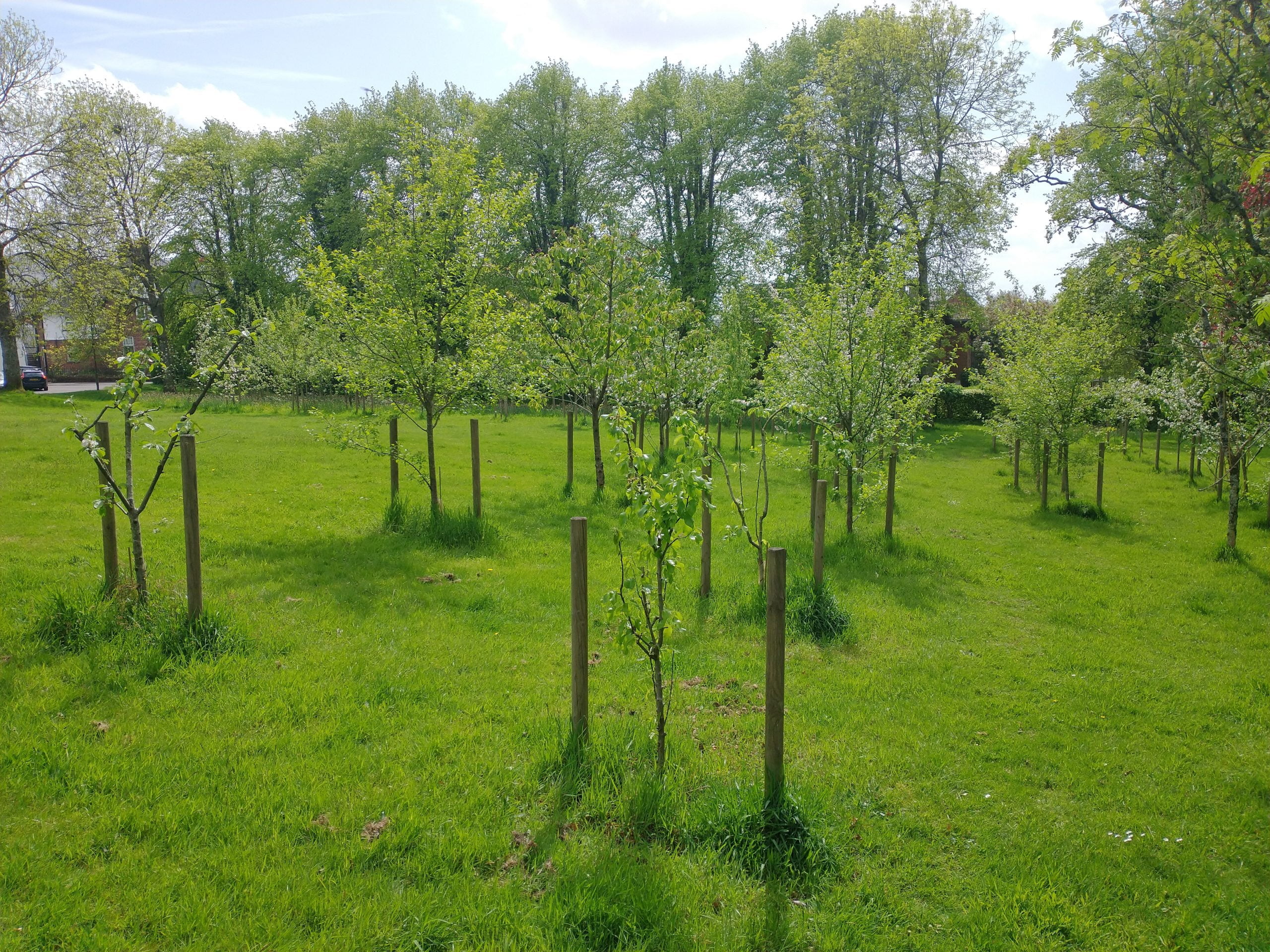
The Orchard
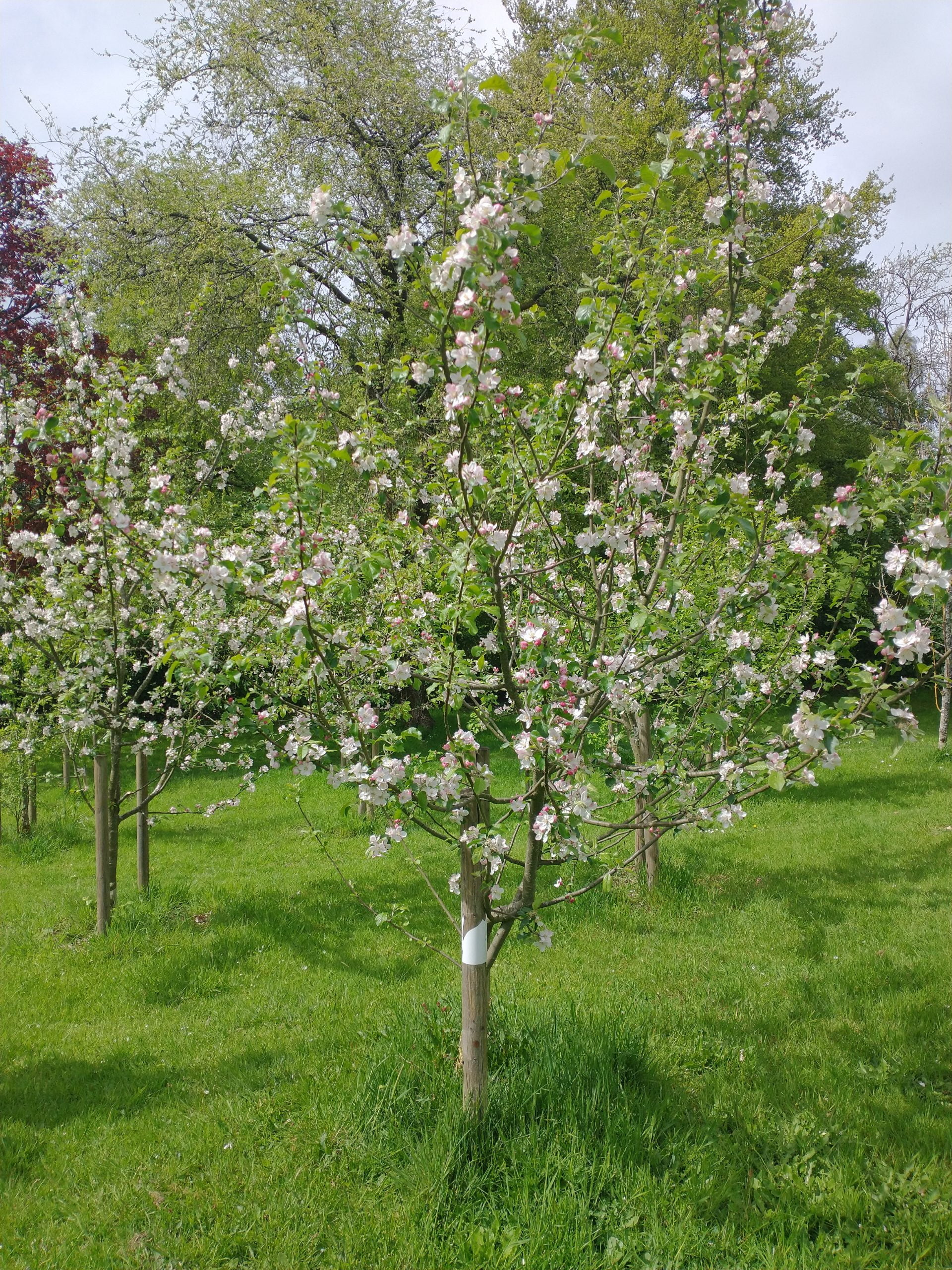
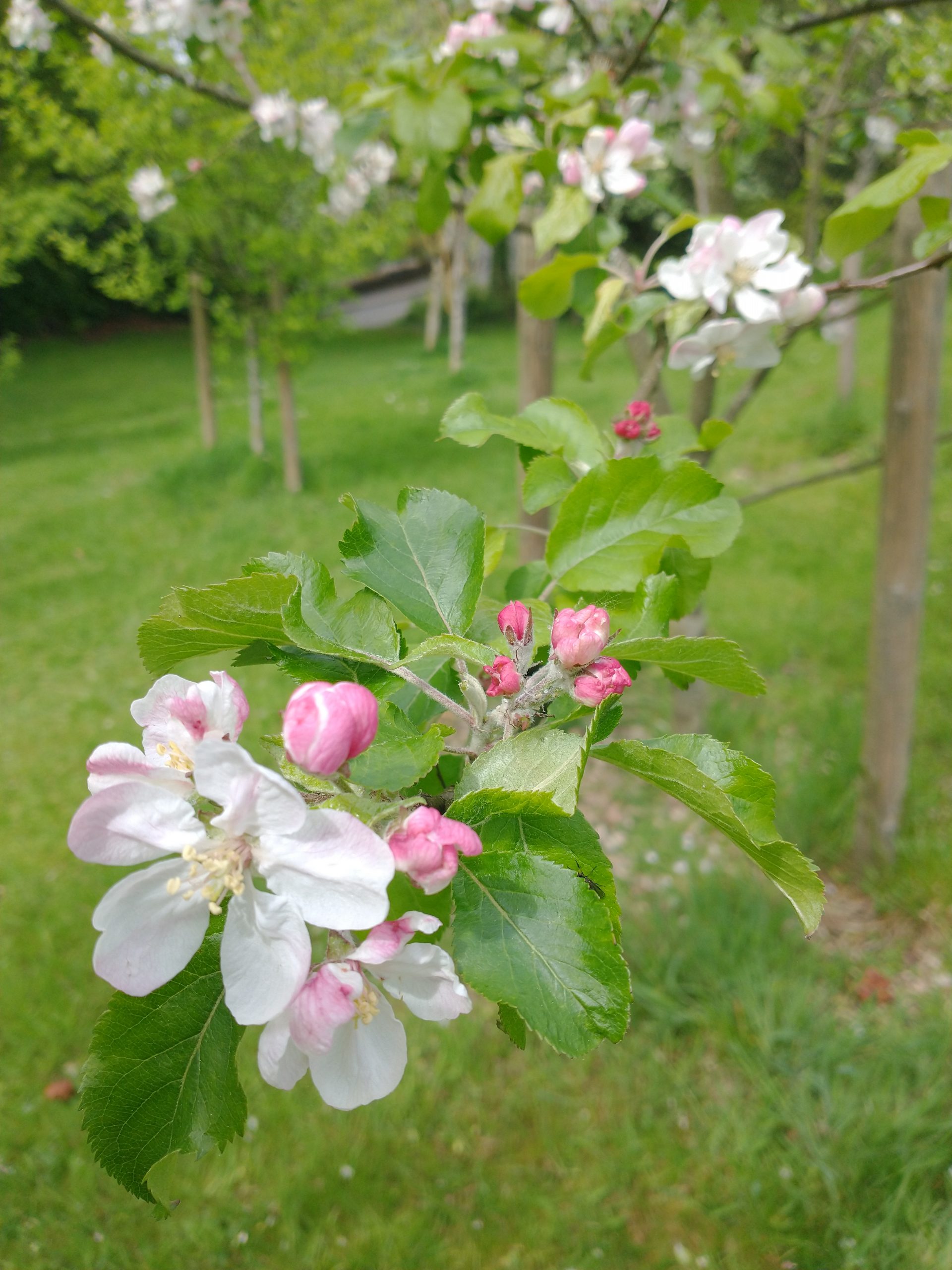
This recently planted apple and cherry orchard provides a great nectar source for our pollinators such as bumblebees and also a rich food supply for blackbird that feed on the windfall apples in the autumn. Look out here along the banks for wildflowers, including bluebell and speedwell, as well as the daffodils in April.
The Clachan Oak
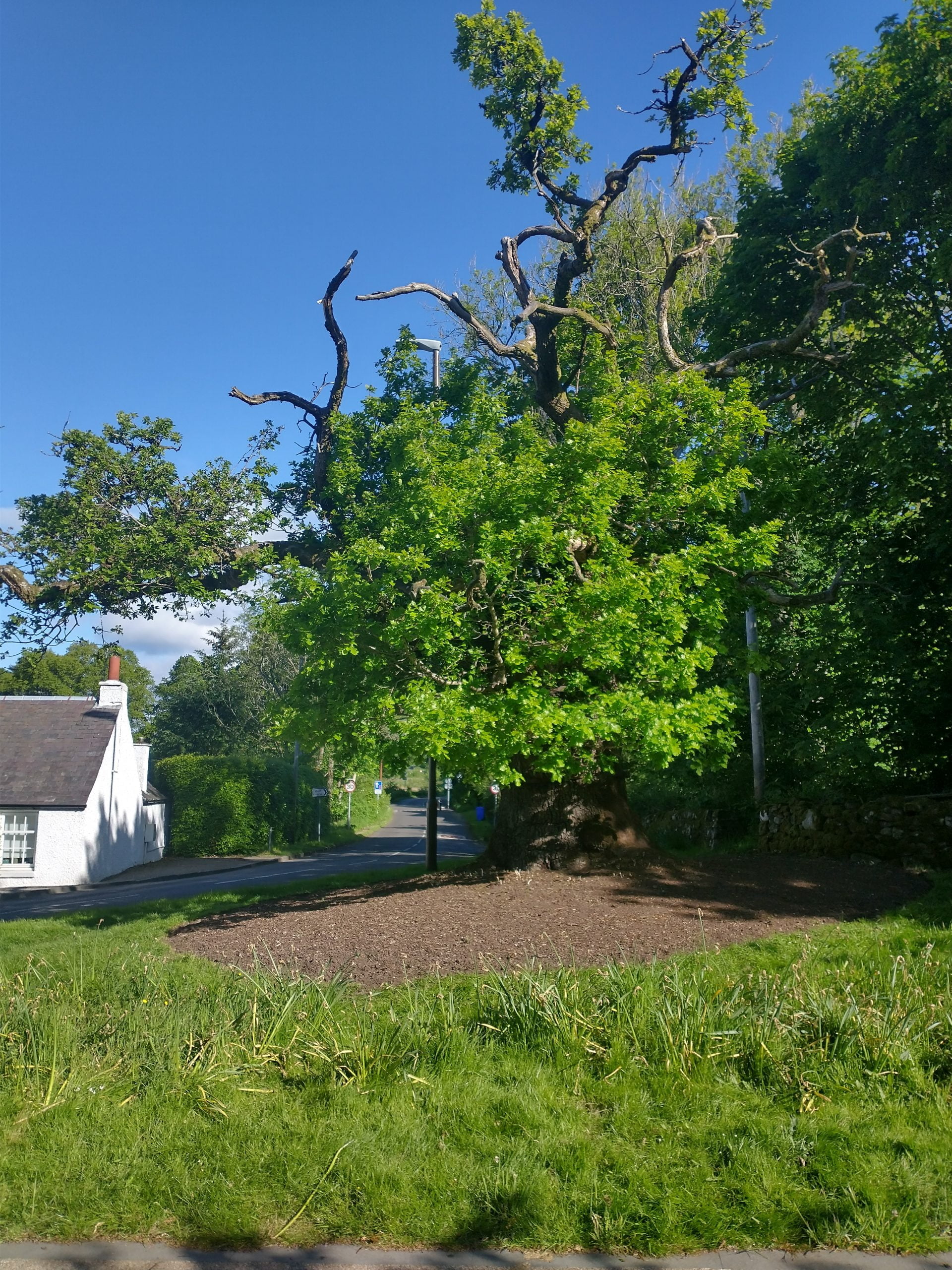
In the oldest part of the village close to the Kirk can be found the Clachan Oak, an ancient sessile oak estimated to be almost 500 years old. Oaks are native to Scotland and other parts of Europe and have distinctive lobed shaped leaves. Sessile oak can be distinguished from pedunculate (English) oak by longer stemmed leaves and acorns that are not on stalks. The Clachan oak continues to be an important home for insects and other invertebrates and especially early in the year when caterpillars provide food for small songbirds such as blue tit and great tit.
Read more about the fascinating heritage of the Clachan Oak at www.balfron.org.uk/tag/clachan/
Donaldson Park
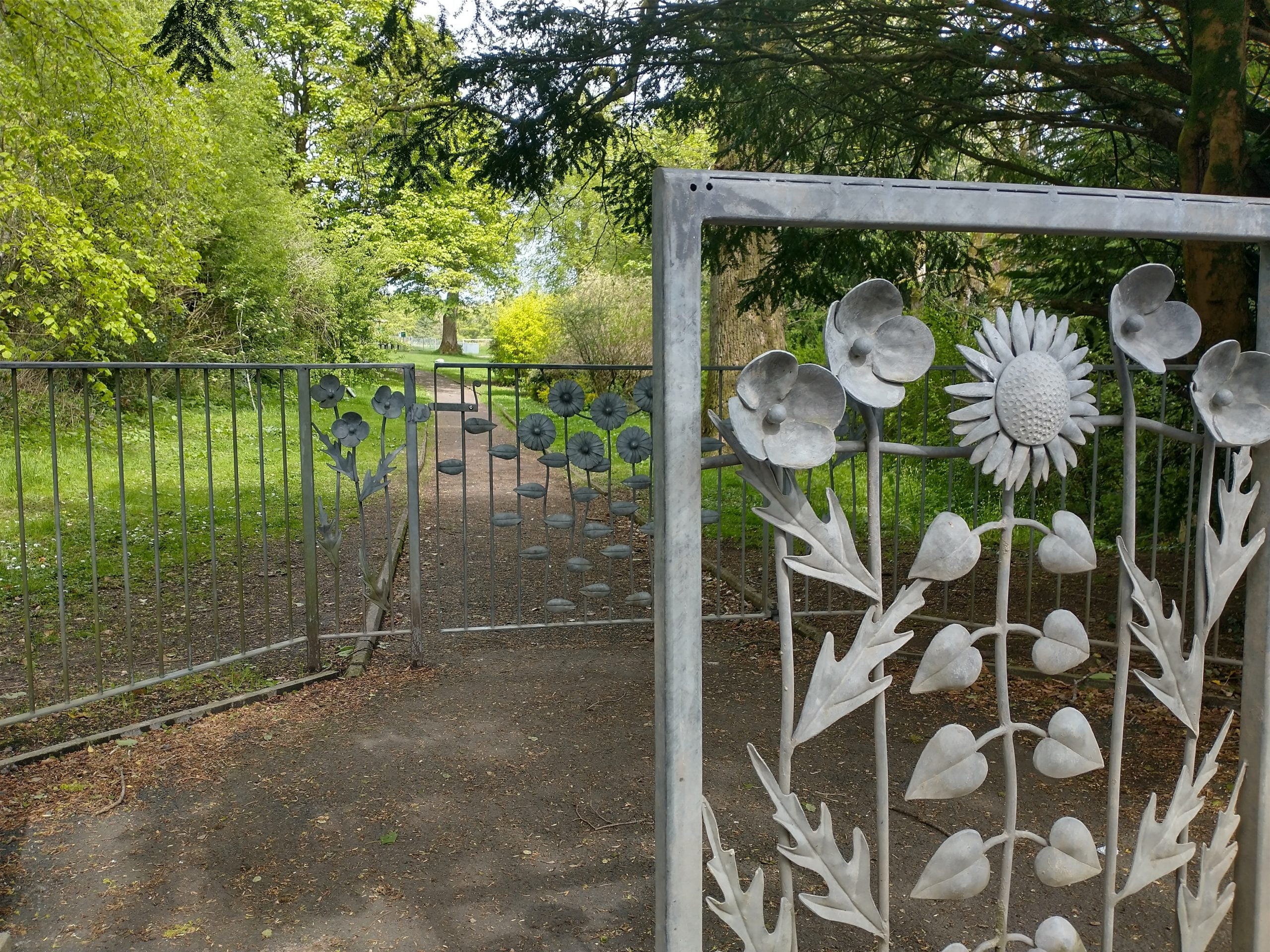
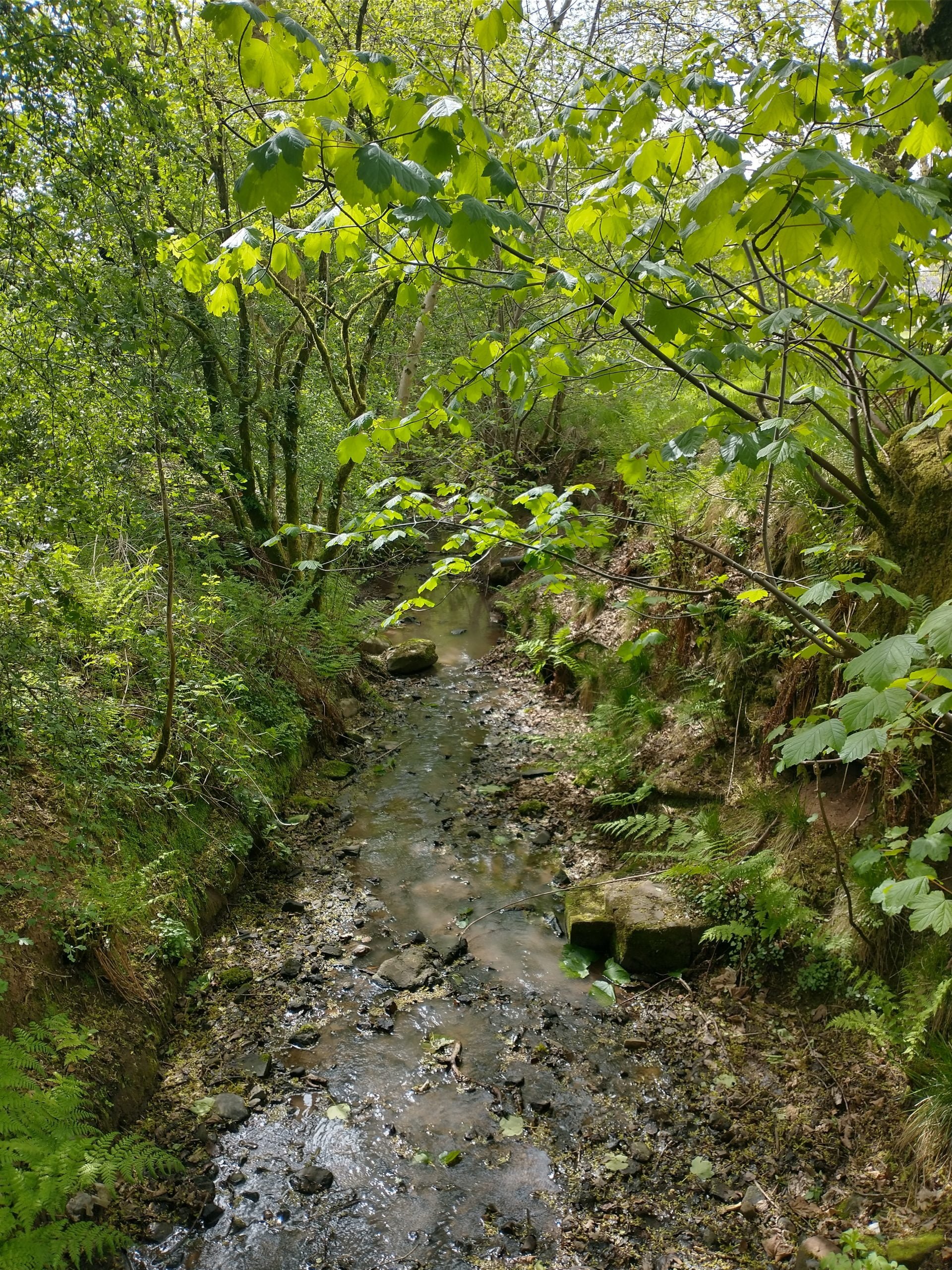
Donaldson Park is Balfron’s well loved green space for play, football and dog walking but is also home to some great woodland and hedgerow habitats for our local wildlife. The Clachan Burn flows around the football field before winding its way down through the village and entering the Endrick Water at the field bridge to the south of the village.
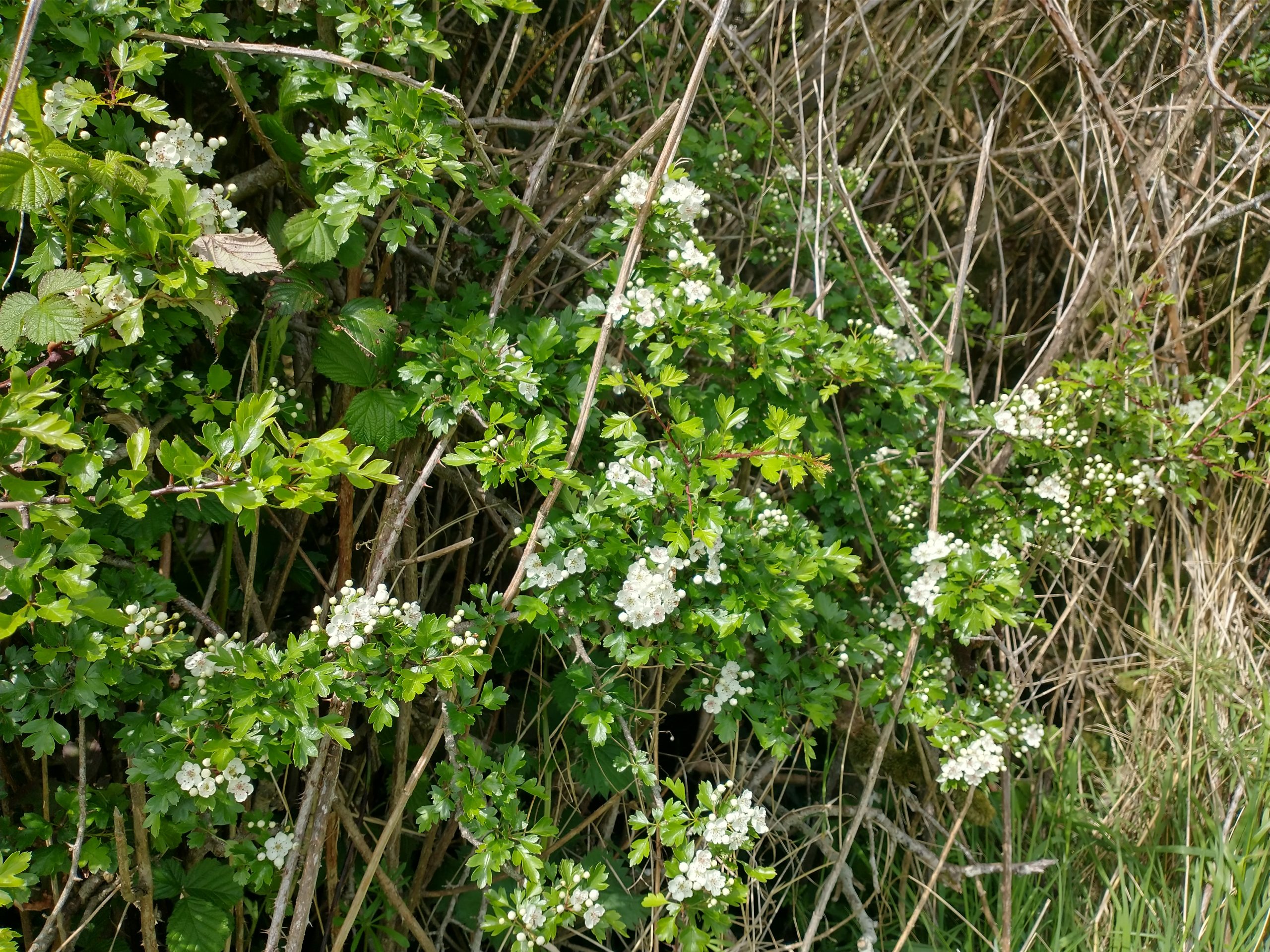
The woodland is a great place in the early morning to listen to songbirds, including spring migrants such as chiffchaff and blackcap. At this time, you may be lucky enough to see rabbits grazing close to the cover of the hawthorn hedges. Watch out for buzzards circling in the sky above, often making their distinctive ‘mewing’ call and listen out here for cuckoo in the early summer, that breed in the moors above the village.
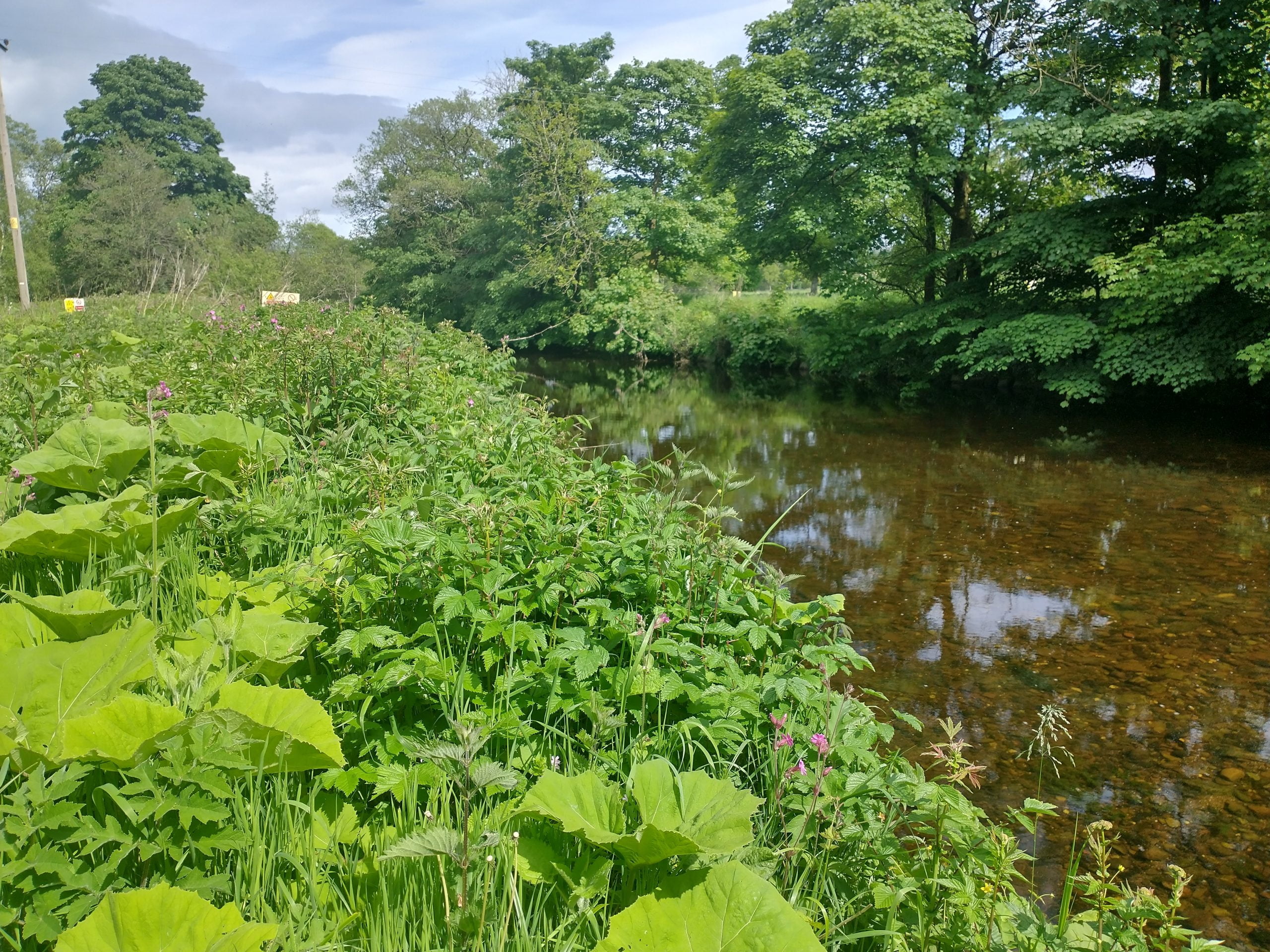
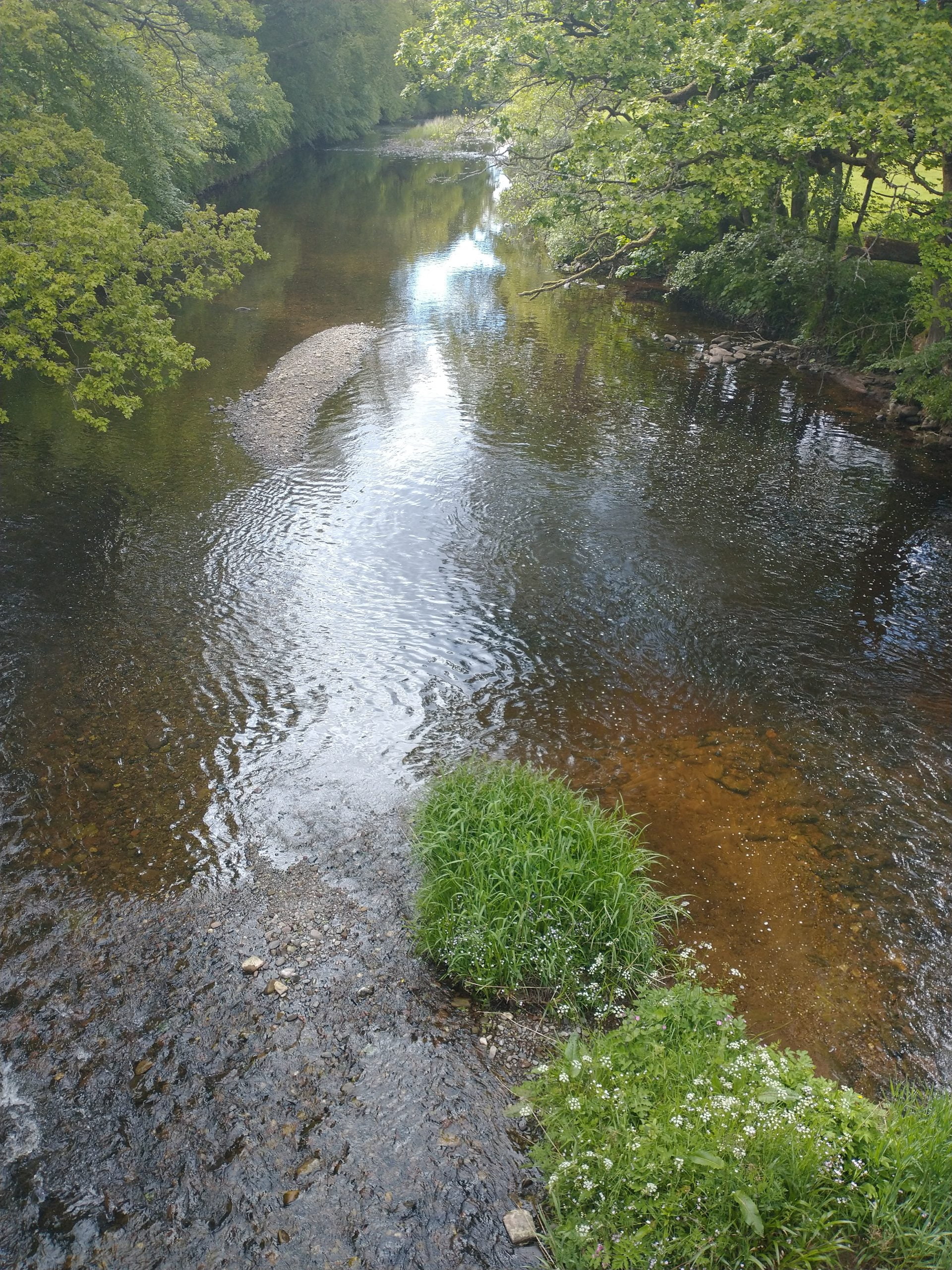
Endrick Water
The Endrick Water supports a rich variety of plant and animal life. Here, you may be lucky enough to see migrating Atlantic salmon jump as they move to their spawning grounds in the autumn. However, in the summer you often see shoals of minnows in the shallows. Dippers are commonly seen here at the field bridge and look out for the colourful kingfisher and grey wagtail too. Signs of otters can be seen, where they often leave behind their spraints (faeces) containing undigested fish bones on prominent rocks.
Please look out for any signs of pollution as it is a Special Area of Conservation and report this to SEPA. The conservation of the Endrick’s native fish and their habitats is coordinated by Loch Lomond Fisheries Trust.